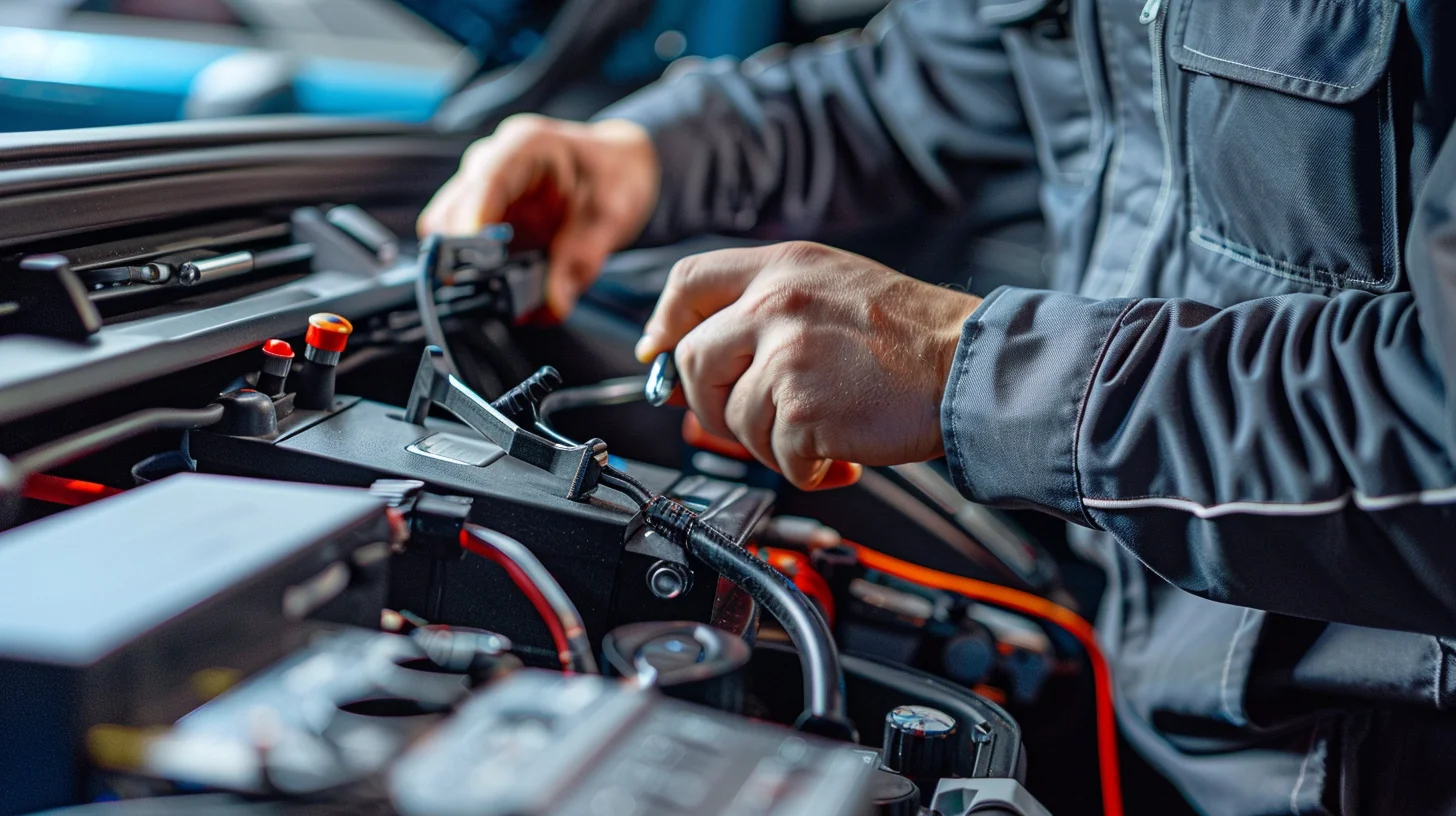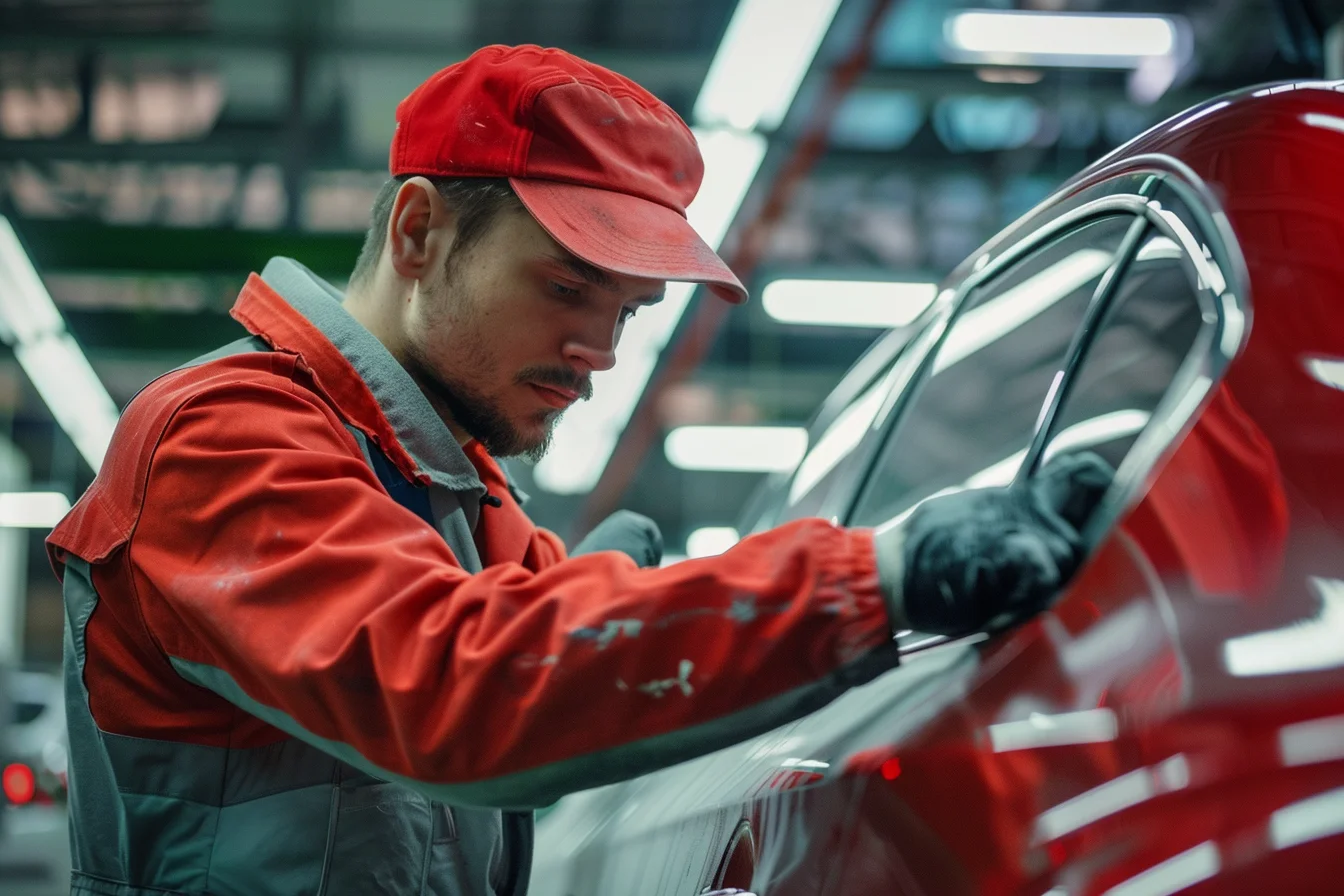
You've been in an accident. After dealing with the immediate stress—police reports, exchanging information, making sure everyone is okay—comes the next challenge: getting your car fixed. Most people assume insurance will handle everything. The reality? There's often a significant gap between what insurance pays and what repairs actually cost.
Understanding these gaps before you're in a crisis helps you make smarter decisions about deductibles, coverage, and when personal financing makes sense for collision repairs.
The Insurance Coverage Gap: What's Really Covered?
Auto insurance policies are complex documents filled with exclusions, limitations, and conditions. Here's what's typically covered—and what isn't:
📋 Collision Repair Coverage Overview
Real-World Scenarios: When Financing Makes Sense
Let's look at common situations where out-of-pocket costs catch people off guard:
📍 Scenario 1: The Fender Bender
Sarah backs into a pole in a parking lot. Minor bumper damage.
💡 With a high deductible, minor repairs often come entirely out of pocket—or close to it.
📍 Scenario 2: The OEM Parts Dilemma
Mike's 2-year-old BMW needs a new hood and fender after a collision.
💡 Wanting OEM parts on a newer vehicle? You'll pay the difference.
📍 Scenario 3: The Total Loss Gap
Jessica's car is totaled. She owes $18,000 but insurance says it's worth $14,500.
💡 Without gap coverage, you can owe money on a car you can't drive.
📍 Scenario 4: The Hidden Damage
Tom's repair reveals additional damage once work begins.
💡 Hidden damage disputes are common. You may need to cover the difference.
Understanding Your Deductible Decision
Your deductible choice directly impacts both your premium and your out-of-pocket costs after an accident. Here's how to think about it:
| Deductible Amount | Annual Premium Savings* | Break-Even Point |
|---|---|---|
| $250 | Baseline | Most protection, highest premium |
| $500 | Save $100-$150/year | 3-5 years without a claim |
| $1,000 | Save $200-$350/year | 2-4 years without a claim |
| $2,500 | Save $400-$600/year | 4-6 years without a claim |
*Savings vary by insurer, location, and driving history
💰 Deductible Strategy
- Choose higher deductible if: You have emergency savings, rarely file claims, and want lower monthly costs
- Choose lower deductible if: You'd struggle to pay $1,000+ unexpectedly, have a newer car, or drive frequently in high-risk areas
OEM vs. Aftermarket Parts: The Quality Question
One of the biggest coverage gaps involves parts quality. Insurance companies often default to aftermarket or recycled parts to save money. Here's what you need to know:
🔧 Parts Quality Comparison
OEM (Original Equipment Manufacturer): Made by your car's manufacturer. Exact fit, maintains warranty, best quality. Costs 20-60% more than aftermarket.
Aftermarket: Made by third parties. Quality varies widely. May not fit perfectly. Can affect vehicle value and warranties.
Recycled/Used: Salvaged from other vehicles. Condition varies. Cheapest option but unknown history.
Steps to Maximize Your Insurance Claim
📋 Collision Repair Claims Process
Document Everything at the Scene
Photos of all damage, other vehicles, road conditions, and any witnesses. This protects you if coverage is disputed.
File Your Claim Promptly
Most policies require reporting within a specific timeframe. Delays can complicate or void coverage.
Get Your Own Repair Estimate
Don't rely solely on the insurer's adjuster. Independent estimates give you negotiating leverage.
Review the Settlement Carefully
Check for aftermarket parts substitutions, labor rate disputes, and excluded damage before signing.
Request Supplemental Claims for Hidden Damage
Once repairs begin, additional damage is often found. Document and submit supplements promptly.
When to Finance Collision Repairs
Financing your out-of-pocket collision costs makes sense in several situations:
✅ Consider Financing When:
⚠️ Avoid These Financing Mistakes
- Don't put repairs on high-interest credit cards if you can't pay in full
- Don't accept shop financing without comparing rates elsewhere
- Don't delay repairs hoping to save—damage often worsens and costs more
- Don't finance repairs on a car that's not worth fixing
Comparing Financing Options for Collision Repairs
| Option | Typical APR | Pros | Cons |
|---|---|---|---|
| Auto Repair Loan | 7.99-24.99% | Quick approval, fixed payments | Requires application |
| Credit Card | 18-29% | Immediate availability | High interest if not paid quickly |
| Body Shop Financing | 0-29% | Convenient, promotional rates | Deferred interest traps |
| Personal Loan | 10-25% | Larger amounts available | Longer approval process |
Need Help Covering Your Deductible or Out-of-Pocket Costs?
Get approved for collision repair financing quickly. Don't let a coverage gap keep you off the road.
Apply for Repair FinancingFinal Thoughts
Insurance is meant to protect you, but it rarely covers 100% of collision repair costs. Deductibles, parts disputes, hidden damage, and coverage limitations mean you'll likely have out-of-pocket expenses after any significant accident.
The smart approach is understanding these gaps before you need repairs. Choose a deductible you can actually afford to pay. Know your rights regarding parts quality. And when out-of-pocket costs exceed your savings, use smart financing to get back on the road without depleting your emergency fund.
Your car is essential to your daily life. Don't let insurance limitations keep you from getting the repairs you need, when you need them.